Best Affordable Anamorphic Lenses in 2026
Anamorphic lenses used to mean a five-figure budget. Not anymore. Here's where to look if you want the widescreen cinematic look without the price tag that used to come with it.

For years, anamorphic lenses were reserved for productions with real budgets — a single vintage Panavision or Cooke anamorphic prime could easily cost more than an entire camera package. That's changed. A new generation of manufacturers has made the affordable anamorphic lens category genuinely usable, without giving up the oval bokeh and horizontal flares that define the look. Here's what to consider if you're shopping on a budget in 2026.
What "Affordable" Actually Means for Anamorphic Glass
Anamorphic optics are inherently more complex to manufacture than spherical lenses — they need an extra set of cylindrical elements precisely aligned with the spherical group. That complexity is why genuinely cheap anamorphic lenses (under a few hundred euros) are usually projector-lens adapters rather than purpose-built cine lenses, and the results show it: soft corners, heavy distortion, and inconsistent focus breathing.
"Affordable" in this context means purpose-built anamorphic cine lenses that have brought the entry price down from the tens of thousands into a range individual filmmakers and small studios can realistically budget for — roughly in the low-to-mid four figures per lens, depending on focal length and squeeze factor.
What to Look for in a Budget Anamorphic Lens
- Squeeze factor — 1.33x lenses are generally the most affordable and the easiest to shoot with, since the oval bokeh and flares are present but less extreme than a 2x squeeze.
- Mount options — look for lenses available in your camera's native mount (PL, E, EF, RF, L) or with swappable mounts, so you're not locked into one camera system.
- Image circle coverage — confirm the lens covers your sensor (Super35 vs. full frame) without vignetting.
- Click-less aperture and geared rings — standard cine features that budget stills lenses often skip, but that matter for run-and-gun or rig-based shooting.
- Autofocus, if relevant — traditionally anamorphic lenses were manual-focus only; autofocus anamorphic options are now entering the market for solo shooters and documentary work.
Budget-Friendly Anamorphic Lens Series to Know
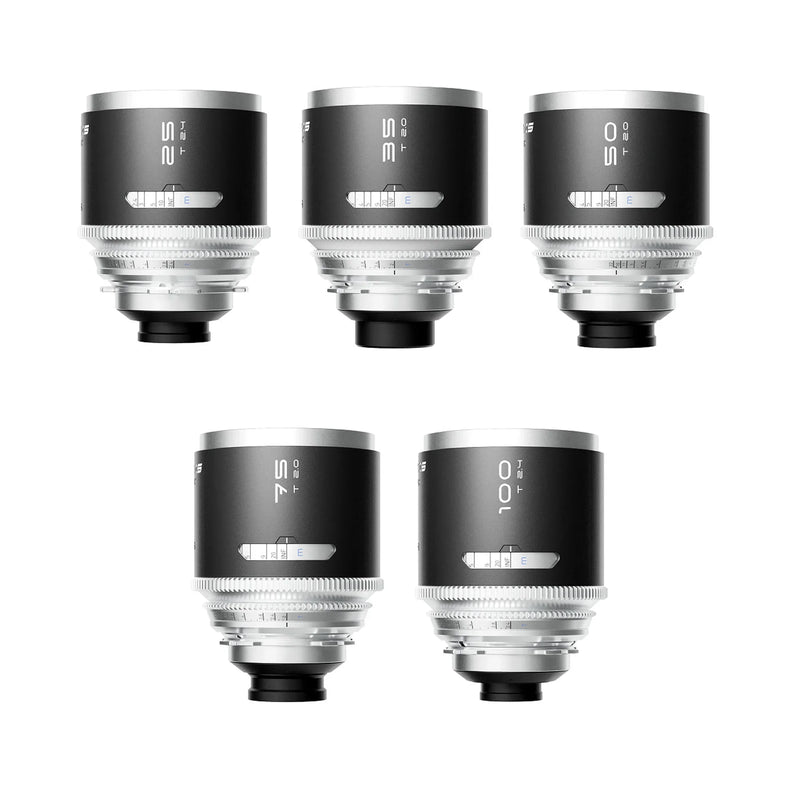
Blazar Mantis — 1.33x Full Frame
The Blazar Mantis series is one of the most accessible full-frame anamorphic lines available, with individual focal lengths and multi-lens sets covering 25mm to 100mm in PL, E, EF, RF, L, X, and Z mounts — a practical starting point if you want to build a set gradually.
Blazar CATO — 2x Classic Squeeze
For filmmakers who want the stronger, more traditional 2x anamorphic look without the vintage-lens price tag, the Blazar CATO series delivers the classic oval bokeh and streak flares at a fraction of what comparable vintage glass costs.
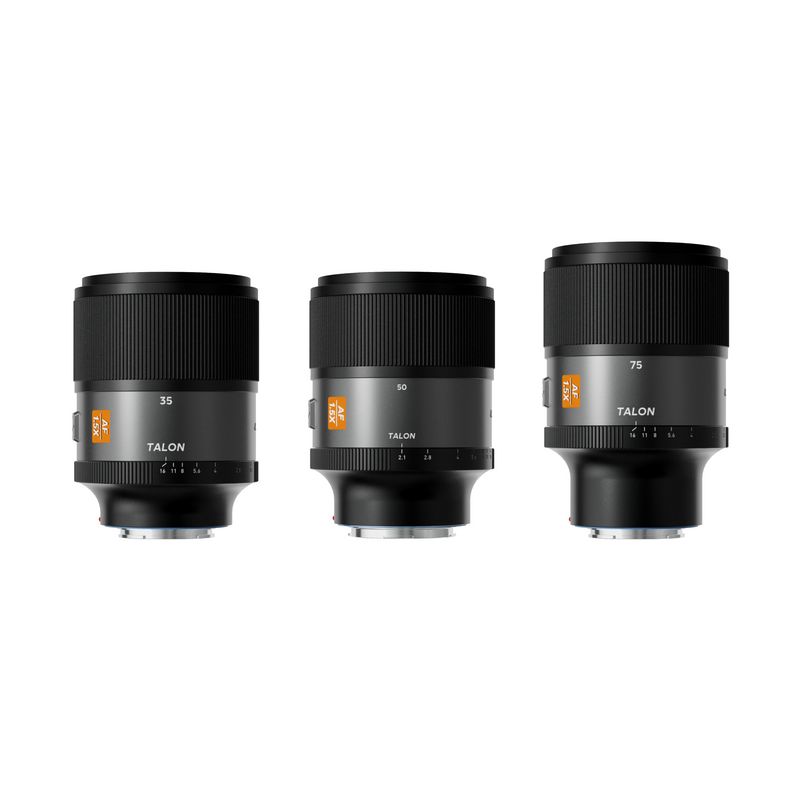
Blazar TALON — Autofocus Anamorphic
The Blazar TALON series adds autofocus to the anamorphic equation — useful for solo operators and run-and-gun shooters who don't have a focus puller on set.
Blazar Viper — 1.5x Middle Ground
Sitting between Mantis and CATO, the Blazar Viper series offers a 1.5x squeeze for filmmakers who want more character than 1.33x without the extreme falloff of a full 2x lens.
Single Lens vs. Set: Where to Start
If budget is the main constraint, most filmmakers start with a single focal length — 35mm or 50mm are the most versatile for narrative and documentary work — and expand into a 3-lens set as projects and budget allow. Buying a set upfront is usually cheaper per lens than buying each focal length individually, but it's a larger initial outlay.
FAQ
What's the cheapest way to get the anamorphic look?
A purpose-built budget anamorphic prime, like the Blazar Mantis, will give far more consistent and usable results than a cheap projector-lens adapter, even though the adapter has a lower sticker price.
Do affordable anamorphic lenses work on crop-sensor cameras?
Many budget anamorphic lenses are designed for full-frame coverage, which means they also work on Super35 and other crop sensors with no loss of image circle — always check the specific lens's coverage first.
Is a 1.33x or 2x squeeze better for beginners?
1.33x is generally more forgiving to shoot and desqueeze correctly, making it a good starting point before moving to a stronger 2x squeeze.
Can I rent before I buy?
Renting a lens for a single project is a good way to confirm you like the anamorphic workflow before committing to a purchase, though owning becomes more cost-effective the more you shoot.
Ready to compare specs and pricing side by side? See the full range of Blazar anamorphic lenses available now.
Blazar lenses at Better Focus
Authorized dealer, shipped from Germany, invoice without VAT with a valid VAT ID. Questions about a lens? Write to us.