Anamorphic vs. Spherical Lens: What's the Difference?
What actually separates an anamorphic lens from a spherical one? A clear breakdown of the optical differences, the cinematic look each one produces, and how to choose the right lens for your next shoot.
If you've spent any time researching cinema lenses, you've run into the terms anamorphic and spherical. The two produce noticeably different looks on screen, and understanding the difference is the first step to choosing the right lens for your project. Here's what actually separates an anamorphic lens from a spherical lens, in plain terms.
What Is a Spherical Lens?
A spherical lens is the standard lens design most photographers and filmmakers start with. Light passes through curved (spherical) glass elements and is projected onto the sensor without any horizontal compression. The image you capture is the image you get: a 1:1 representation of the scene, with round bokeh and symmetrical flares.
Spherical lenses are generally simpler to build, lighter, and more affordable, which is why they dominate both stills and video work.
What Is an Anamorphic Lens?
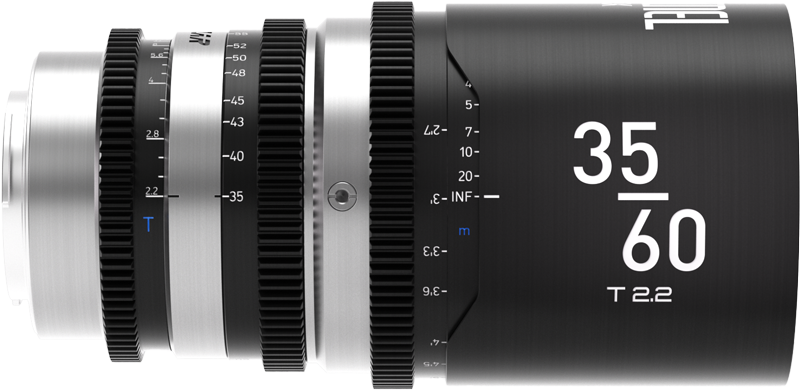
An anamorphic lens uses an additional set of cylindrical elements to squeeze a wider field of view horizontally onto the same sensor area. In post-production, that squeezed image is "unsqueezed" (commonly at 1.33x, 1.5x, or 2x) to reveal a wide cinematic frame.
That squeeze is also what gives anamorphic lenses their signature characteristics:
- Oval bokeh instead of round bokeh
- Horizontal blue streak flares when hitting a bright light source
- A wider native aspect ratio without cropping the sensor
- Distinct falloff and "roll" to out-of-focus areas
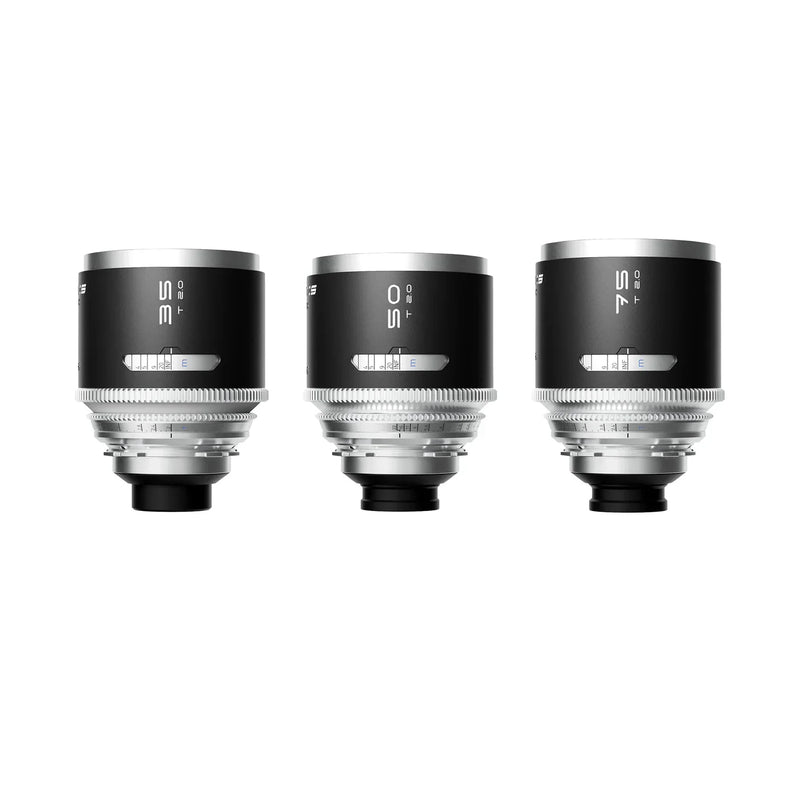
This is the look associated with classic widescreen cinema, and it's why anamorphic glass has become so popular with independent filmmakers who want a theatrical feel without a Hollywood budget — brands like Blazar have made that look far more accessible in recent years.
Anamorphic vs. Spherical: Key Differences at a Glance
| Characteristic | Spherical Lens | Anamorphic Lens |
|---|---|---|
| Bokeh shape | Round | Oval / "cat's eye" |
| Lens flares | Symmetrical, often circular | Horizontal blue streaks |
| Aspect ratio | Native sensor ratio | Wider, via desqueeze |
| Workflow | Shoot and edit directly | Requires desqueeze in post |
| Typical cost | Lower | Higher, though budget options now exist |
| Look | Clean, modern, "digital" | Cinematic, textured, vintage-leaning |
Which One Should You Choose?
There's no universally "better" option — it depends on the story you're telling and the workflow you're set up for.
Choose spherical lenses if:
- You need a clean, distortion-free image (product, corporate, or documentary work)
- You're working with a tight budget or minimal post-production time
- Your project doesn't call for a strong stylistic signature
Choose anamorphic lenses if:
- You want the widescreen, theatrical look associated with narrative film
- Distinctive flares and oval bokeh are part of your visual language
- You're comfortable (or your editor is) handling the desqueeze workflow
Anamorphic Squeeze Factors Explained
Not all anamorphic lenses squeeze by the same amount. The most common squeeze factors are:
- 1.33x — a gentler squeeze, popular for full-frame sensors and a more subtle oval bokeh. Found in the Blazar Mantis and Blazar Sentinel series.
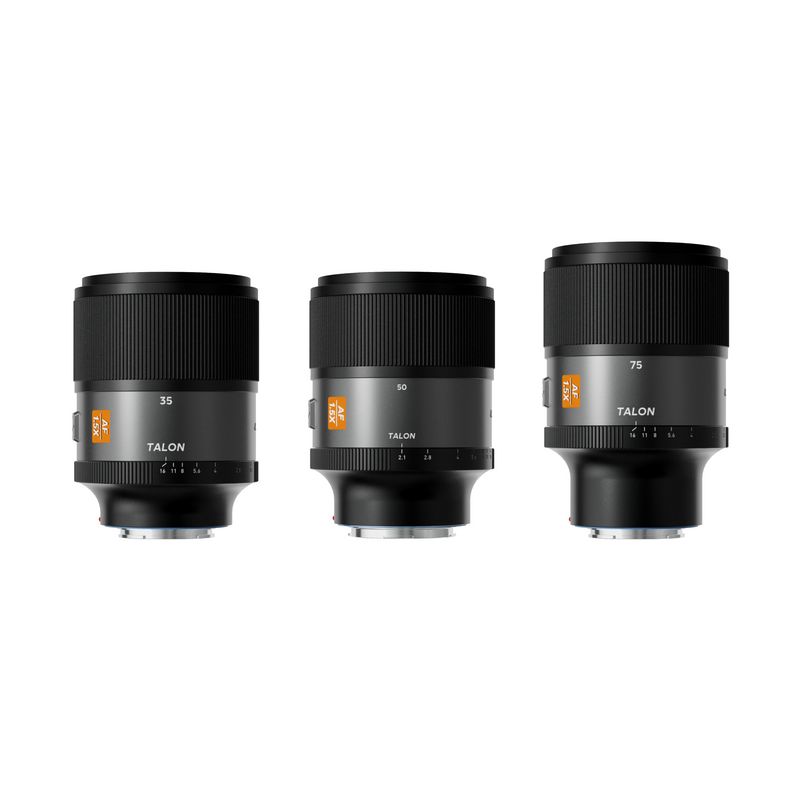
- 1.5x — a strong middle ground between character and usability, used in the Blazar Viper and Blazar TALON lines.
- 2x — the classic Hollywood squeeze ratio, with the most pronounced flares and bokeh, found in the Blazar CATO series.
The higher the squeeze factor, the more pronounced the anamorphic characteristics — but also the more careful you need to be with framing and close focus distance.
FAQ
Can I use an anamorphic lens without desqueezing in post?
Technically yes, but the footage will look stretched and distorted until it's desqueezed, so it's not recommended for final delivery.
Are anamorphic lenses harder to focus?
Modern anamorphic lenses, including autofocus options like the Blazar TALON series, have closed much of that gap, but manual anamorphic glass generally has a steeper learning curve than spherical lenses.
Do I need a full anamorphic lens set, or can I start with one focal length?
Most filmmakers start with a single focal length (often 35mm or 50mm) before expanding into a full set as their work and budget grow.
Is anamorphic only for full-frame or large-format sensors?
No — anamorphic lenses are available for Super35, full-frame, and other sensor formats, with the squeeze factor usually matched to the sensor's native aspect ratio.
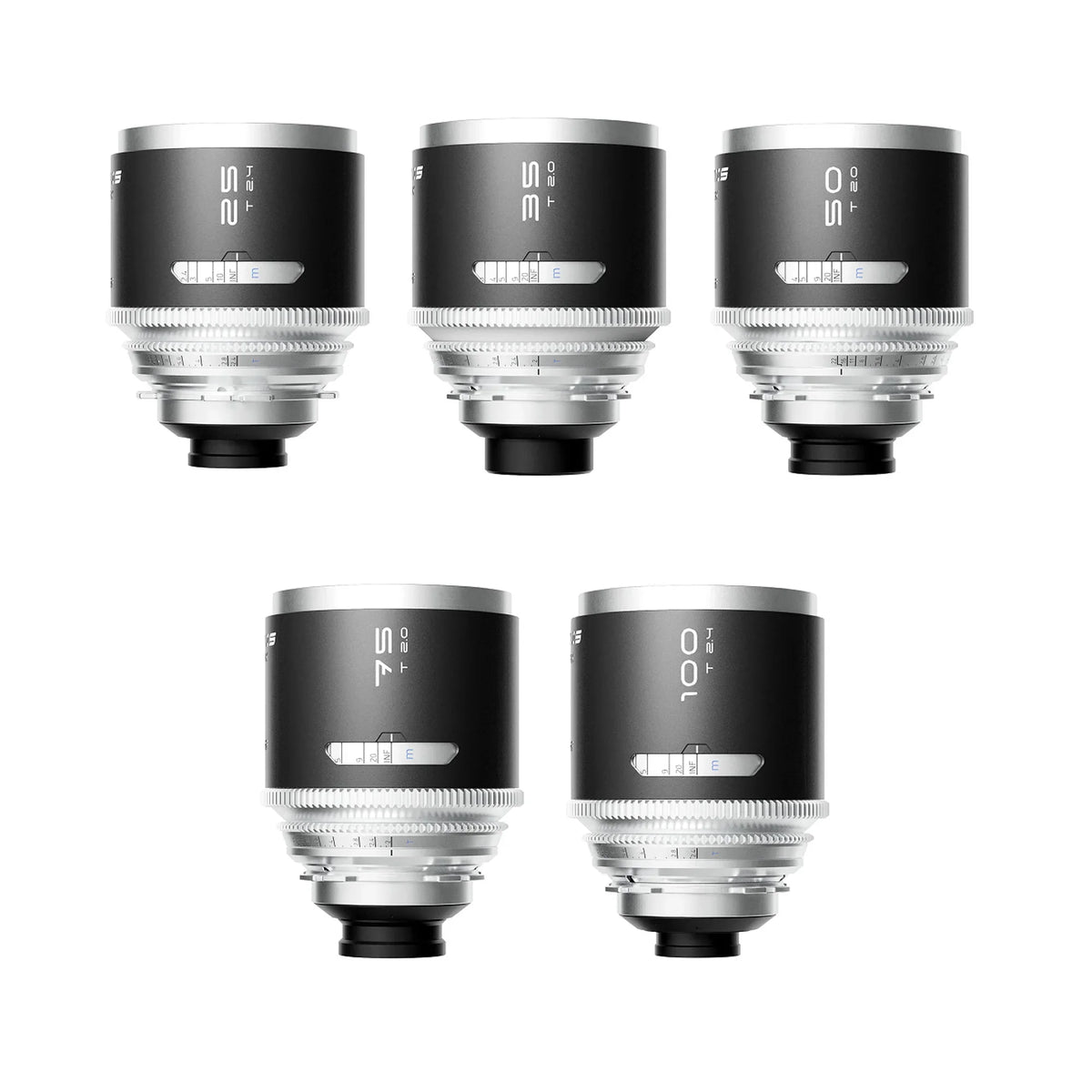
Still deciding between anamorphic and spherical for your next project? Browse the full Blazar anamorphic lens lineup to compare squeeze factors, mounts, and price points.
Blazar lenses at Better Focus
Authorized dealer, shipped from Germany, invoice without VAT with a valid VAT ID. Questions about a lens? Write to us.